
Salt and Pepper Giant Schnauzer: Genetics, Care & Guide
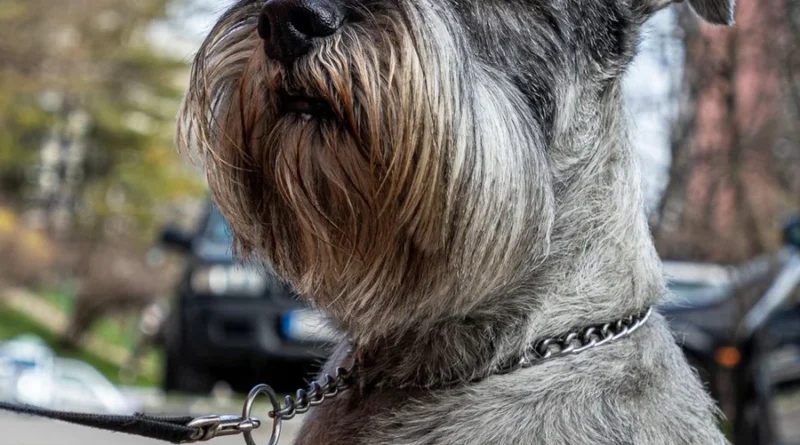
The salt and pepper Giant Schnauzer is a striking and capable working dog that commands attention wherever it goes. These dogs possess a thick, wiry coat that displays a beautiful mix of banded black and white hairs. This creates the signature silver-gray appearance. From what we have seen, many people assume all Giant Schnauzers are solid black. We have noticed that the pepper and salt variety often turns heads at local dog parks. The American Kennel Club outlines specific guidelines for this breed. They demand a strong, bold, and loyal companion. We want to share our insights into this magnificent dog. We will look at their coat genetics, grooming needs, and their intense loyalty. It is a long commitment to raise one properly. You must be prepared for years of dedication. You will find that the effort is entirely worth it. This guide is crafted to offer everything required to raise one successfully.
Table of Contents
What Is a Salt and Pepper Giant Schnauzer?
A salt and pepper Giant Schnauzer is a purebred dog featuring a banded coat of black and white hairs. The American Kennel Club officially designates this color as pepper and salt. From our experience, many casual dog lovers mistake them for a completely different breed due to the color. We have noticed that finding a well-bred pepper and salt puppy takes considerable time and patience.
The Giant Schnauzer, or Riesenschnauzer in its native Germany, was originally bred to drive cattle and guard farm properties. They are not simply oversized Standard Schnauzers. They were developed by crossing Standard Schnauzers with larger breeds like the Great Dane and the Bouvier des Flandres. The pepper and salt coat is an original, historically accurate color for the breed. The Giant Schnauzer Club of America details the rich history of these working dogs. We often recommend looking at old photographs from the early 1900s to see how the breed has developed over time. A common myth is that salt and pepper Giant Schnauzers are a modern designer mix. This is entirely false. They have existed since the breed’s inception. We warn against buying from breeders who claim to sell rare color variations outside the official standards.
These dogs require an owner who understands working breeds. They are large, powerful, and smart. You must be prepared to offer strong leadership and consistent training. Personally, we recommend this breed only to experienced dog owners. They can easily overpower a novice handler. A well-trained Giant Schnauzer is a joy to behold. They are steadfast guardians and devoted family members. You will notice their sharp mind immediately. They watch your every move with keen interest. They anticipate your actions and commands. This makes training both rewarding and challenging. They will test your boundaries daily to see what they can get away with. Consistency is vital to shaping a well-behaved adult dog.
Furthermore, their physical presence is undeniable. A male can stand up to 27.5 inches at the shoulder. They can weigh up to 95 pounds. The pepper and salt coloring adds a layer of visual texture to their muscular frame. The lighter gray hairs highlight their strong musculature. It is a rugged, handsome look that defines the working dog aesthetic. It is a demanding breed but provides unmatched companionship in return.
The AKC Breed Standard: Pepper and Salt vs Rarity Claims
The AKC recognizes only two colors for the Giant Schnauzer: solid black and pepper and salt. The solid black coat is far more common in the United States today. This leads some to believe that the pepper and salt variety is incredibly rare or special. While less common, it is a standard, accepted color. You should never pay a premium price just for this coat color.
Some unethical breeders try to sell dogs with unrecognized colors. You might see ads for white, black and silver, or parti-colored Giant Schnauzers. The AKC does not accept these colors in their standard. A myth we often hear is that these off-colors are rare and valuable. In reality, they are usually the result of poor breeding practices. We strongly advise you to avoid breeders who charge extra for rare colors. They often neglect health and temperament in favor of coat color. The Giant Schnauzer Club of America provides a clear outline of the accepted breed standard. You should always reference this standard when evaluating a potential puppy.
When looking for a pepper and salt Giant Schnauzer, you want a coat that has a good distribution of banded hairs. The ideal coat has a medium gray shade. It should have pepper evenly distributed across the body. The undercoat is typically gray. From what we have seen, a proper pepper and salt coat requires specific grooming techniques to maintain its harsh texture and distinct color. The AKC judges look for this specific banding in the show ring. A solid gray dog without banding will be penalized. This shows the importance of correct grooming for show prospects.
The Unique Genetics Behind the Salt and Pepper Coat
The salt and pepper coat is created by a recessive genetic trait involving the chinchilla gene. Both parents must carry this recessive gene to produce a salt and pepper puppy. We have found that understanding the genetics helps owners appreciate the complexity of their dog’s coat. We noticed that many people assume coat color is a simple matter of black or white. It is actually a deeply complex genetic process.
The genetics of dog coat color are fascinating. In the Giant Schnauzer, the solid black color is dominant. It is represented by the “B” allele. The pepper and salt color is recessive. It is represented by the “b” allele. A dog must have a “bb” genotype to express the pepper and salt color. This means a solid black dog can carry the recessive pepper and salt gene. If you breed two black dogs that both carry the recessive gene, you can get pepper and salt puppies. We always suggest asking breeders about the genetic history of their litters.
A common myth is that breeding two pepper and salt dogs will produce a solid black puppy. Because the trait is recessive, two pepper and salt dogs will only produce pepper and salt puppies. We warn against trusting breeders who lack basic knowledge of coat color genetics. They might be making promises they cannot keep. We recommend working with breeders who perform genetic testing on their breeding stock. This ensures healthy puppies and predictable coat colors. Coat genetics can also influence skin pigmentation. You will notice that pepper and salt dogs have dark black noses and eye rims. This contrasts beautifully with their lighter facial hair.
How the Recessive Chinchilla Gene Creates the Banded Look
The chinchilla gene is responsible for the unique banded appearance of the pepper and salt coat. This gene affects the distribution of pigment along individual hair shafts. Instead of a solid color, each hair has alternating bands of black and light gray or white. This creates the overall peppery appearance.
This banding effect is most prominent in the harsh, wiry topcoat. The soft undercoat is usually a solid gray color. When you part the hair on a pepper and salt Giant Schnauzer, you can see the bands on the individual guard hairs. From what we have seen, the quality of the banding can vary from dog to dog. Some have very distinct bands, while others have a more blended look. We have noticed that diet and overall health can affect the vibrancy of the coat. VCA Animal Hospitals provides excellent information on how nutrition impacts skin and coat health.
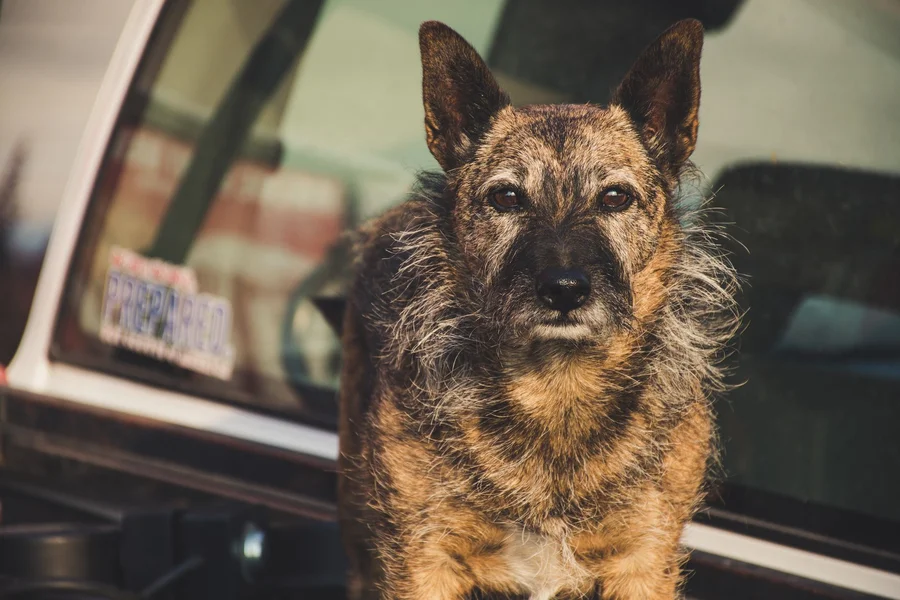
The banding pattern is a marvel of canine genetics. The hair follicle produces black pigment for a period, then switches to a lighter pigment, then back to black. This cycle repeats as the hair grows. This results in the characteristic salt and pepper effect. It is a complex biological process that requires proper nutrition to maintain. A poor diet can lead to a dull coat and loss of distinct banding. You should feed a high-quality diet rich in omega fatty acids to support coat health. Frequent washing can also strip essential oils from the coat. You should only bathe them when absolutely necessary to protect the hair structure.
Coat Changes: How Puppies Mature into Their Adult Color
Salt and pepper Giant Schnauzer puppies are usually born with a very dark coat. They often look almost solid black or dark charcoal. As they grow and their adult coat comes in, the color begins to lighten and the banding becomes more obvious. We have found that this transformation is quite dramatic.
Puppies typically start to show their true colors around three to six months of age. You will notice lighter hairs coming in on their furnishings. These are the longer hairs on the legs, beard, and eyebrows. The harsh topcoat on the body will start to show the distinct black and white banding. A myth we often encounter is that a puppy’s initial color is permanent. We warn new owners not to panic if their pepper and salt puppy looks very dark at first. The color will definitely change. We recommend taking weekly photos of your puppy. It is a fun way to document their coat transformation.
By the time a Giant Schnauzer reaches one year of age, their adult coat color is usually well-established. However, the color can still fluctuate slightly throughout their life. Factors like sun exposure, grooming methods, and age can cause the coat to lighten or darken. We have noticed that older dogs sometimes develop more white hairs, giving them a lighter overall appearance. You might also notice seasonal changes in coat color. The coat may appear slightly darker in the winter and lighter in the summer. This is entirely normal for the breed. It keeps their appearance continually interesting over the years.
The Crucial Choice: Clipping vs Hand-Stripping
You must choose between clipping and hand-stripping to maintain a Giant Schnauzer’s coat. Hand-stripping preserves the wiry texture and banded color, while clipping softens the coat and causes the color to fade to solid gray. We have noticed that this decision greatly impacts the dog’s appearance and weather resistance.
The Giant Schnauzer has a dense double coat. This consists of a harsh, wiry topcoat and a soft, dense undercoat. This coat type requires regular maintenance to stay healthy and looking its best. The method you choose to groom the coat will fundamentally change its structure. We have found that many pet owners underestimate the grooming commitment required for this breed. You need to plan your grooming strategy before bringing a puppy home. If you want to maintain the correct harsh texture, you must commit to hand-stripping.
A common myth is that clipping is just a faster way to achieve the same look. This is entirely untrue. Clipping alters the coat permanently over time. We warn owners that once you start clipping a harsh coat, it is very difficult to restore the wiry texture. We personally recommend hand-stripping if you plan to show your dog or if you prefer the traditional look. However, we understand that clipping is much more convenient for the average pet owner. You just have to accept the changes in color and texture. Both methods have their pros and cons. You must weigh the time and financial commitment against your desired aesthetic.
Hand-Stripping: Preserving the Coarse Wiry Texture and Dark Bands
Hand-stripping involves manually pulling out dead hair from the root. This encourages a new, harsh guard hair to grow in its place. This method is essential for maintaining the deep black and white bands of the pepper and salt coat. It also keeps the coat weather-resistant and tough.
This process is time-consuming and requires skill. Many owners choose to hire a professional groomer who specializes in hand-stripping. It can be quite expensive. You can also learn to do it yourself. It requires patience and the right tools, like stripping knives and pumice stones. From what we have seen, dogs who are hand-stripped from a young age tolerate the process very well. We have noticed that a properly stripped coat repels dirt and water beautifully. It rarely develops a doggy odor. We recommend finding a mentor if you want to learn hand-stripping. It is an art form that takes practice to perform correctly.
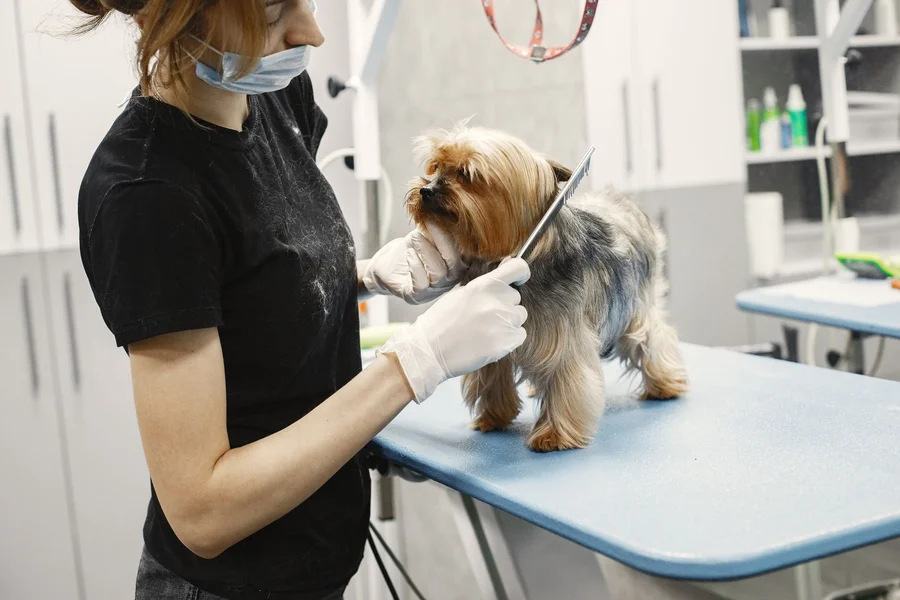
Hand-stripping is typically done on a rolling schedule for show dogs. This means pulling a small amount of hair every week to keep the coat in constant show condition. Pet owners might opt to strip the coat fully twice a year. This is called blowing the coat. The dog will look quite naked for a few weeks until the new coat grows in. This method requires dedication. It is the only way to keep the coat truly weather-resistant. The harsh hair acts as a barrier against rain, snow, and brush. This was essential for their historical work as farm guardians and cattle drivers.
Clipping: The Easy Choice that Softens and Fades the Coat
Clipping uses electric clippers to cut the hair at the surface. This is the most common grooming method for pet Giant Schnauzers. It is faster, cheaper, and easier to maintain. However, clipping cuts off the harsh topcoat. It allows the soft undercoat to dominate.
When you clip a pepper and salt coat, you cut off the banded guard hairs. Over time, the coat becomes soft, curly, and fuzzy. The striking black and white bands disappear. The dog will eventually turn a solid silver or light gray color. A myth we hear is that clipping causes the dog pain. Clipping is completely painless. The real issue is the loss of coat texture and color. We warn owners that a clipped coat absorbs water like a sponge. It also collects burrs and dirt much more easily. We recommend clipping if you have a busy lifestyle and cannot commit to hand-stripping. It is an acceptable choice for a family pet.
If you choose to clip, your dog will need a haircut every six to eight weeks. You must also brush the soft coat frequently. The soft undercoat is prone to matting. You should invest in high-quality clippers if you plan to groom your dog at home. You can find more information about local veterinary care and grooming advice online. You will need to learn how to properly trim the eyebrows, beard, and leg furnishings. These areas give the Giant Schnauzer its distinctive look. A sloppy clipping job can make them look very unkempt.
Temperament and Training Realities of the Giant Schnauzer
The Giant Schnauzer is a bold, loyal, and highly energetic working dog. They require intense physical exercise and mental stimulation every single day. We have noticed that they bond very tightly with their families. They are naturally suspicious of strangers and make excellent guard dogs.
These dogs are not for the faint of heart. They have a commanding presence and a strong will. You must establish yourself as a fair and consistent leader from day one. They are smart and learn quickly. However, they can also be stubborn if they do not respect you. From what we have seen, positive reinforcement training works best. They respond poorly to harsh corrections. A myth we often hear is that Giant Schnauzers are naturally aggressive. They are protective, but a well-socialized Giant is stable and composed. We warn against isolating these dogs in a backyard. They need to be part of the family activities.
Socialization is critical for this breed. You must expose them to various people, places, and situations while they are young. This helps them grow into confident adult dogs. We recommend enrolling in a puppy kindergarten class as soon as your veterinarian allows it. This provides a controlled environment for socialization and basic obedience. We have noticed that Giant Schnauzers excel in dog sports like obedience, agility, and Schutzhund. Giving them a job to do keeps them happy and well-behaved. They want to work with you. You just need to show them what to do. You will quickly find that a tired Giant Schnauzer is a good Giant Schnauzer. Do not underestimate their need for exercise.
The Working Dog Breed Mindset: High Energy and Guarding Instincts
Giant Schnauzers were bred to work hard all day. They have endless stamina and drive. A quick walk around the block will not satisfy their exercise needs. You must provide rigorous daily activity to keep them balanced.
They enjoy running, hiking, and rigorous play sessions. Mental exercise is just as important as physical exercise. Puzzle toys, scent work, and high-level obedience training will tire their minds. Their guarding instincts are deeply ingrained. They will naturally protect their home and family. You must train them to understand when a threat is real and when it is not. A myth is that you need to train a Giant Schnauzer to guard. You actually need to train them to control their guarding instincts. We warn owners that an under-exercised Giant Schnauzer can become destructive and difficult to manage. We highly recommend structured training programs to channel their energy positively.
You will need a secure, fenced yard for a Giant Schnauzer. They have a strong prey drive and will chase small animals. They can easily jump a low fence. You should ensure your fencing is at least six feet high. They are not suited for apartment living unless you can commit to multiple hours of vigorous outdoor exercise every day. Their energy levels remain high well into adulthood. You will not see them slow down significantly until they are seniors. You must be prepared for this long-term commitment to their physical well-being. Keeping them active ensures a harmonious household.
Why They are Nicknamed “Velcro Dogs”
Giant Schnauzers are often affectionately called “velcro dogs” because they stick to their owners. They crave human companionship and want to be involved in everything you do. They will follow you from room to room and insist on physical contact.
This intense loyalty is a defining characteristic of the breed. They thrive on being near their family. This makes them wonderful companions, but it can also lead to separation anxiety. You must teach them how to be alone from a young age. Crate training is highly effective for this. From what we have seen, a Giant Schnauzer left alone for long periods will become stressed and vocal. We have noticed that they do best in homes where someone is around most of the day. We recommend providing a comfortable space for them, like a premium dog bed or bowl area, where they feel secure.
You will find that they want to lean on you. This is a common Giant Schnauzer behavior. They lean their heavy bodies against your legs as a sign of affection. They also enjoy sitting on your feet. You must be careful with small children, as a large dog leaning can easily knock them over. You should supervise all interactions between your dog and young kids. Their loyalty is unmatched, but it requires responsible management on your part.
Essential Health and Grooming Tips
You must maintain a strict grooming schedule and monitor for breed-specific health issues to keep your Giant Schnauzer healthy. They are prone to serious conditions like bloat and hip dysplasia. We have noticed that preventative care and routine veterinary visits are vital for this breed’s longevity.
A healthy Giant Schnauzer can live for 10 to 12 years. Providing a high-quality diet, regular exercise, and proper grooming will help them thrive. You should establish a relationship with a veterinarian who is familiar with large working breeds. They can help you create a preventative healthcare plan. We have found that keeping your dog at a lean weight reduces stress on their joints. This is crucial for preventing orthopedic problems.
A common myth is that large breeds do not need dental care. Dental hygiene is extremely important for Giant Schnauzers. You should brush their teeth regularly to prevent tartar buildup and periodontal disease. We warn owners not to ignore small changes in their dog’s behavior or eating habits. These can be early signs of illness. We recommend scheduling annual blood panels for dogs over the age of seven to catch any age-related issues early. You must stay vigilant about their health. Early detection is key to successful treatment.
Preventing Common Health Issues: Hip Dysplasia and Bloat
Hip dysplasia is a genetic condition where the hip joint does not fit together perfectly. It can cause pain and arthritis. You should only buy puppies from breeders who test their adult dogs for hip dysplasia. The Orthopedic Foundation for Animals (OFA) evaluates hip x-rays and provides certification.
Bloat, or gastric dilatation-volvulus (GDV), is a life-threatening emergency. The stomach fills with gas and twists on itself. Giant Schnauzers are deep-chested dogs, which puts them at higher risk. You must take steps to prevent bloat. Feed them multiple small meals instead of one large meal. Prevent vigorous exercise immediately before and after eating. A myth is that raised food bowls prevent bloat. Studies show they might increase the risk. We warn owners to learn the signs of bloat, such as restless behavior and a swollen, hard abdomen. We recommend discussing a preventative surgery called a prophylactic gastropexy with your veterinarian. This surgery tacks the stomach to the abdominal wall to prevent twisting. This simple procedure can save your dog’s life.
Weekly Home Brushing to Stop Matting
Whether you clip or hand-strip, you must brush your Giant Schnauzer weekly. Their thick furnishings on the legs and face are very prone to matting. A slicker brush and a metal comb are essential tools for maintaining their coat.
You need to comb all the way down to the skin. Simply brushing the top of the coat will leave tangles near the skin. These tangles will eventually form solid mats. Pay special attention to the friction areas, such as under the armpits and behind the ears. We have seen many dogs require complete shave-downs because of severe matting. We have noticed that regular brushing is also a great way to check for lumps, bumps, or skin issues. We recommend making brushing a positive experience with plenty of treats and praise. Start this routine when they are young puppies so they learn to enjoy it.
You will also need to clean their beard daily. Food and water can get trapped in the thick facial hair. This can lead to skin infections and unpleasant odors. A quick wipe with a damp cloth after meals is usually sufficient. You should also trim the hair around their paw pads regularly. This prevents slipping on smooth floors and reduces the amount of dirt they track into the house.
How Does the Giant Schnauzer Compare to the Standard and Miniature?
The Giant Schnauzer is the largest of the three Schnauzer breeds. While they share a similar appearance and the signature beard and eyebrows, they have distinct origins and temperaments. We have noticed that people often assume they are simply different sizes of the exact same dog.
The Standard Schnauzer is the original breed. They are a medium-sized farm dog. The Miniature Schnauzer was bred down from the Standard to be a ratter. The Giant Schnauzer was bred up from the Standard to be a powerful cattle driver and guard dog. They are much larger and heavier than the Standard. The Giant Schnauzer also has a more intense guarding instinct and a higher energy level. A myth is that the Miniature Schnauzer is just a small Giant Schnauzer. The Miniature has Terrier blood in its ancestry, giving it a very different personality. We warn potential owners not to expect a Giant Schnauzer to act like a Miniature. The Giant is a serious working breed. We recommend the Giant Schnauzer only for active families with large dog experience.
You will see that the grooming requirements are similar across all three breeds. They all have the wiry double coat that requires hand-stripping or clipping. However, grooming a Giant Schnauzer takes significantly more time and physical effort due to their sheer size. You must factor this into your decision when choosing a breed. They are magnificent dogs, but they require a massive commitment in terms of training, exercise, and grooming.
Frequently Asked Questions
Are salt and pepper Giant Schnauzers rare?
Salt and pepper Giant Schnauzers are less common than solid black ones in the United States, but they are not technically rare. The American Kennel Club fully recognizes the pepper and salt color as an official breed standard. Finding a reputable breeder who focuses on this color might take more time. You should never pay a massive premium just because a breeder claims the color is rare. It is a standard color.
Do salt and pepper Giant Schnauzers shed?
Giant Schnauzers are considered a low-shedding breed, but they are not entirely shed-free. Their wiry coat traps most loose hairs, which is why regular grooming is essential. If you hand-strip the coat, shedding is minimal. If you clip the coat, you might notice slightly more shedding as the soft undercoat grows out. Regular brushing helps control loose hair.
How often do Giant Schnauzers need to be groomed?
Giant Schnauzers require significant grooming. You need to brush them at least once a week to prevent matting in their beard and leg furnishings. Professional grooming, whether clipping or hand-stripping, is needed every six to eight weeks. Daily maintenance includes wiping their beards after eating and drinking to keep them clean. You must stay on top of this schedule.
What is the difference between hand-stripping and clipping?
Hand-stripping involves pulling out dead hair from the root, which preserves the harsh, wiry texture and banded color of the coat. Clipping cuts the hair at the surface, which softens the coat and causes the pepper and salt color to fade to solid gray. Hand-stripping is required for show dogs, while clipping is common for pets. Clipping is much faster and cheaper.
Are Giant Schnauzers good family dogs?
Giant Schnauzers can be excellent family dogs if they are properly trained and socialized. They are fiercely loyal and protective of their families. However, their large size and high energy levels mean they do best with older children. They require an active family that can meet their daily exercise needs. Always supervise them around young kids.
Do Giant Schnauzers have a lot of energy?
Yes, Giant Schnauzers are high-energy working dogs. They need vigorous daily exercise, such as running, hiking, or participating in dog sports. A simple walk is not enough to keep them satisfied. Without adequate physical and mental stimulation, they can become bored and destructive. They thrive when given a specific job to do.
What is the lifespan of a Giant Schnauzer?
The average lifespan of a Giant Schnauzer is 10 to 12 years. They are sturdy dogs, but they are susceptible to certain health issues like hip dysplasia and bloat. Providing a high-quality diet, regular veterinary care, and maintaining a healthy weight can help maximize their lifespan. Preventative care is crucial.
How do I choose a reputable Giant Schnauzer breeder?
A reputable breeder will prioritize health, temperament, and adherence to the breed standard. They should perform health screenings, such as OFA hip evaluations, on their breeding dogs. They will also ask you questions to ensure you are a suitable home for a large working breed. Avoid breeders who advertise rare colors or refuse to let you see the puppies’ living conditions.

Written by Rosella
Rosella is a self-taught digital creator with a passion for breaking down tech, lifestyle, and everyday topics into simple, easy-to-understand content. Based in Youngstown, Ohio, she brings a curious, multi-disciplinary approach to writing, covering everything from the latest tech trends to practical life hacks and personal growth insights.
Her goal is straightforward: take complicated ideas and explain them in a way that actually makes sense, so every reader, whether a total beginner or someone more experienced, walks away having learned something useful. When she’s not writing, you’ll usually find her exploring new tools, sharpening her skills, or spending time with family.
Through this blog, Rosella aims to build a community centered on real, actionable insights rather than fluff, jargon, or filler content.
