
Sleep and Blood Pressure: The Night-Time Connection Most People Miss
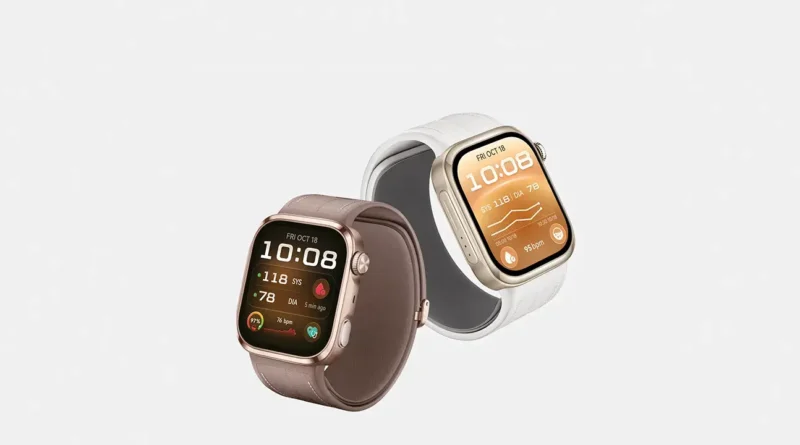
For roughly a third of every life, the body lies still — and yet those hours may reveal more about cardiovascular health than any waking moment. What blood pressure does overnight, how sleep is structured, and how the two interact form one of the most informative and least observed corners of personal health. Until recently, exploring it required hospital equipment and considerable inconvenience. Slim wearables like the HUAWEI WATCH D3 have changed that, bringing night-time blood pressure monitoring and advanced sleep analysis together on the same wrist. Understanding the partnership between rest and pressure may be the most underrated health insight available from a wrist.
Table of Contents
The Night-Time Dip That Protects the Heart
In a healthy pattern, blood pressure falls during sleep — a nightly dip that gives the cardiovascular system its only regular respite. When that dip is blunted or absent, a pattern clinicians call non-dipping, long-term risk rises even when daytime readings appear perfectly acceptable. Reversed patterns, where pressure climbs overnight, are more concerning still.
The uncomfortable truth is that nobody can feel their night-time blood pressure. It leaves no symptoms, announces no warnings, and can only be discovered by measuring through the night — something conventional upper-arm monitors do poorly, since their inflations tend to wake the very sleeper they are observing.
Research into cardiovascular risk increasingly treats night-time and early-morning readings as stronger predictors than office measurements. The quiet hours, in other words, are not a gap in the data — they are the data, and ignoring them means assessing heart health with half the evidence missing.
What Sleep Apnoea and Restless Nights Do to Pressure
Among the most under-recognised drivers of stubborn blood pressure is disordered breathing during sleep. Repeated interruptions — whether from snoring-related obstruction or fragmented architecture — jolt the nervous system awake dozens of times a night, each micro-arousal releasing a small surge of pressure-raising stress hormones. The cumulative effect is a night spent in quiet battle rather than recovery.
Sleep analysis that tracks breathing quality alongside sleep stages brings these hidden disturbances to light. When restless-night data repeatedly coincides with elevated morning readings, the pattern points towards a conversation worth having with a professional — one that might otherwise never happen.
Measuring Through the Night Without Disturbing It
A wrist-based monitor offers a gentler way. During a twenty-four-hour monitoring plan, the WATCH D3 takes readings automatically at set intervals, night-time included, using a compact mechanical airbag in the strap. The resulting report separates daytime and night-time averages, making the presence — or absence — of the healthy dip visible at a glance.
Because the watch is slim at 11.3 mm with a softened, lighter strap, wearing it to bed demands no special tolerance. Comfort is not a luxury in this context; it is the precondition for honest data, since a device that disturbs sleep corrupts the very measurement it exists to record.
What the Morning Reveals
The first hour after waking is the most telling of the cardiovascular day. Blood pressure surges naturally as the body transitions to activity — a normal phenomenon, but one whose magnitude matters. An exaggerated morning surge places concentrated strain on the system at precisely the time heart events statistically cluster.
A morning measurement habit captures this daily event. Taken at a consistent time, before caffeine and before the rush begins, the reading becomes a reliable marker: stable mornings signal a well-regulated system, while erratic ones invite a closer look at sleep quality, evening habits and stress load.
Two Sides of the Same Night
Blood pressure is only half the nocturnal story. The HUAWEI TruSleep 5.0 algorithm analyses the other half: sleep architecture across deep, light and REM stages, continuity through the night, and the stability that separates genuinely restorative rest from merely being horizontal. The body keeps its own counsel on these matters until someone finally looks.
Viewed together, the two data streams explain each other. A fragmented night followed by elevated morning readings stops being a coincidence and becomes a pattern. Sleep-disordered breathing, late-night screen habits, evening alcohol — the usual suspects behind poor nights all carry blood pressure consequences that paired monitoring makes visible.
Improving Nights to Improve Numbers
The point of seeing the connection is acting on it. Consistent bedtimes, a cooler and darker bedroom, reduced evening stimulation and earlier last meals are unglamorous advice, but tracked data supplies the motivation that advice alone rarely sustains: watching night-time readings respond to better routines reinforces the habits that produced them.
Supportive tools help the process along — sleep music, guided breathing exercises and meditation sessions available through HUAWEI Health+ ease the transition into rest, while morning sleep scores close the feedback loop by showing what worked.
Reading More About Readings in Context
Night-time data gains even more meaning when understood alongside daytime behaviour, particularly exercise. This practical guide to training with a smartwatch bp monitor, written by a preventive cardiology specialist, explores how daily activity shapes blood pressure around the clock — valuable context for interpreting what the quiet hours reveal.