
Blue Star Ranges: Custom Professional Cooking Appliances
When you start shopping for a high-end kitchen appliance, you quickly hear about Blue Star ranges. These are heavy-duty cooking machines built for residential homes using commercial construction principles. They lack digital touch screens and Wi-Fi connections. Instead, they give you massive heating power, heavy cast iron parts, and completely manual controls. If you want a stove that feels like it belongs in a restaurant, this brand stands out in a crowded market.
Many buyers assume any expensive stove offers the same basic performance. This is a myth. Most luxury brands focus on smooth glass panels and digital timers. Blue Star goes the opposite direction. From what we’ve seen inspecting kitchen renovations, these stoves appeal to serious home cooks. They want raw heat and simple mechanical parts that rarely break. A major warning though: these ranges require strong ventilation hoods to handle the extreme heat output safely. We strongly recommend talking to an HVAC contractor before buying one.
Table of Contents
What Are Blue Star Ranges?
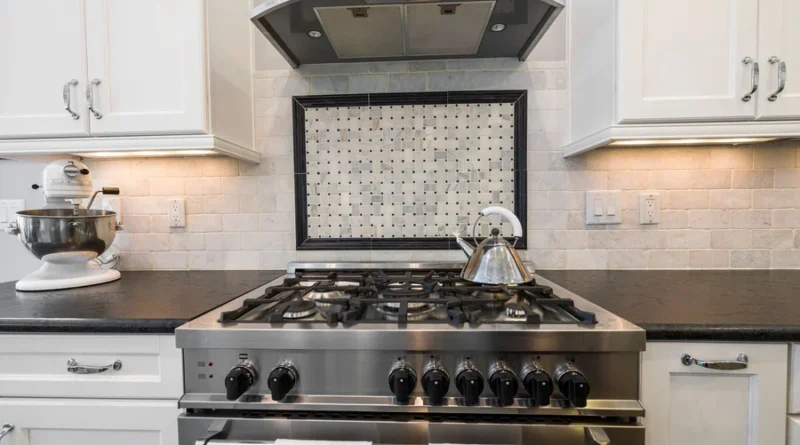
Blue Star ranges are commercial-style gas stoves made specifically for residential kitchens. They feature star-shaped open burners, heavy cast iron construction, and zero electronic motherboards. The BlueStar official website emphasizes their manual, mechanical design. You turn a physical knob, gas flows, and a spark ignites the flame. That is the entire process. There are no computerized timers to fail after a power surge.
We often hear the myth that you need complicated electronics to cook well. Our testing proves otherwise. Simple mechanical parts offer better long-term reliability. We’ve noticed that buyers who upgrade from standard electric stoves are shocked by the intense heat. You must install proper ventilation. A cheap microwave hood will melt under the heat of a 25,000 BTU burner. We recommend a dedicated stainless steel range hood with high CFM ratings.
These appliances fit perfectly into modern home trends where industrial design meets domestic comfort. They look imposing and professional. The thick steel bodies and heavy grates weigh significantly more than average stoves. You will need a strong floor to support the larger models.
The History of Prizer-Painter Stove Works
The story of these stoves begins long before modern luxury kitchens existed. The manufacturer, Prizer-Painter Stove Works, started making coal ranges in Reading, Pennsylvania, in 1880. They spent over a century building commercial heating and cooking equipment. They know how to bend thick metal and cast heavy iron.
In the early 2000s, they noticed home cooks wanted restaurant-quality stoves. They adapted their commercial designs for residential use. They kept the star-shaped burners and heavy construction. They simply added insulation to meet safety codes for wooden cabinets. This direct line from 1880s coal stoves to modern gas ranges explains their rugged appearance. They build them to last decades, not just a few years.
Key Features of Blue Star Ranges
The key features of Blue Star ranges include open star burners, massive BTU output, and thousands of custom color options. They prioritize function over flashy electronic gimmicks. You get raw cooking power and heavy cast iron. The entire top surface is often one continuous cast iron grate, allowing you to slide heavy pots around easily.
Many shoppers believe sealed burners are always better for home use. This myth ignores the cooking benefits of open burners. From what we’ve seen in test kitchens, open burners deliver oxygen to the flame much better. This creates a hotter, cleaner fire. A quick warning: the cast iron grates are incredibly heavy. You must use caution when lifting them for deep cleaning to avoid pinching your fingers. We recommend buying a good stiff wire brush to clean the cast iron grates quickly.
These stoves fit well in sprawling kitchens, like those you might find in a large home. The commanding presence of the large models becomes the focal point of the room. The thick metal knobs and industrial handles feel substantial in your hands.
Open Burners vs Sealed Burners: The Chef’s Choice
Most home stoves use sealed burners. A metal cap sits over the flame ring, and the cooktop surface is a solid sheet of metal or glass. This keeps spills on the surface. Blue Star uses open burners. The flame ring sits open in a bowl-like depression. Spills fall down past the flame into a pull-out drip tray below.
Chefs prefer open burners because they heat the pan more evenly. The star shape pushes flames straight up into the center of the pan, rather than just around the edges. When a pot boils over, the liquid drops into the tray below instead of pooling around the flame and extinguishing it. You simply pull the tray out like a drawer and wash it in the sink. It requires a different cleaning routine, but many find it easier than scrubbing baked-on grease from a flat surface.
Unmatched Performance: BTU Power and Precision Simmering
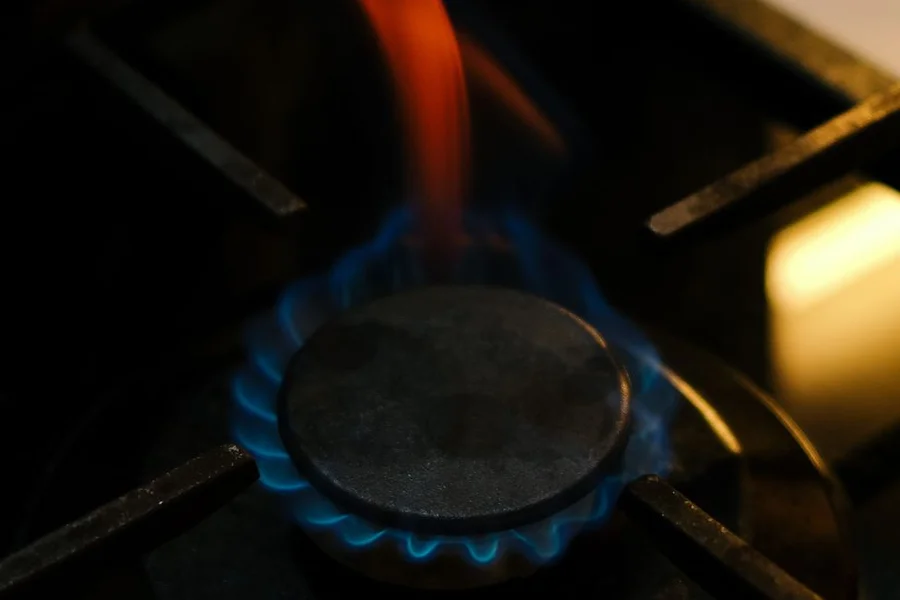
BTU stands for British Thermal Unit, measuring heat output. Most standard home stoves max out around 12,000 to 15,000 BTUs on their biggest burner. Blue Star Platinum series models offer a massive 25,000 BTU burner. This boils large pots of water rapidly and provides intense heat for wok cooking or searing thick steaks.
High heat is only half the story. You also need low heat for melting chocolate or simmering delicate sauces. These ranges include a precise 130-degree simmer burner. It maintains a tiny, consistent flame that will not scorch your food. This combination of extreme high heat and gentle low heat gives you total control over the cooking process. You can sear a steak at 25,000 BTUs and melt butter on the next burner without burning it.
Custom Colors and Finishes: Building Your Bespoke Appliance
Blue Star offers over 1,000 colors and textured finishes for their appliances. You can color-match your stove to almost anything. They also offer multiple metal trim options, including brass, copper, and chrome. You choose the knob colors, the handle metals, and the body paint. This level of customization is rare in the appliance industry.
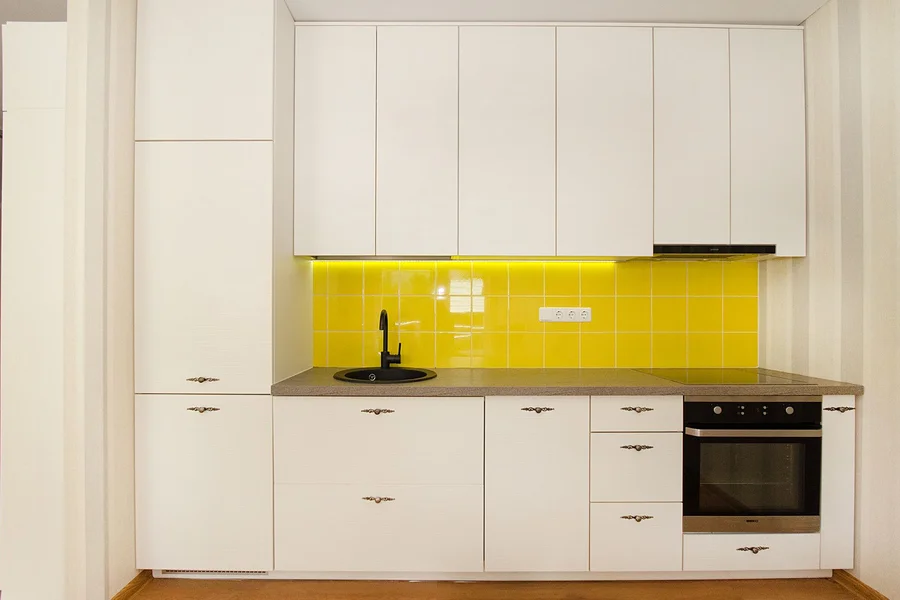
If you have a specific vision, perhaps inspired by a kitchen Stewart A Taylor might design, you can match it perfectly. You can choose a bright yellow stove with copper trim or a matte black model with brass accents. This flexibility allows the stove to blend into your cabinets or stand out as a bold statement piece. The paint they use is extremely durable and resists chipping and fading over time.
Exploring the Top Blue Star Range Model Series
The company divides its ranges into several distinct model series to fit different budgets and needs. The main lines are the Platinum, RNB, and Culinary series. Each offers different burner configurations, oven features, and price points. The Platinum is the flagship, while the Culinary offers a more accessible starting point.
There is a persistent myth that all heavy-duty stoves bake unevenly. Our baking tests show the PowR Oven system in the Platinum line produces incredibly even heat. We’ve noticed that buyers often get confused by the different naming conventions. A strong warning: do not buy the entry-level model expecting the 25,000 BTU burners. You must read the specific spec sheet for the model you order. We recommend the RNB series for most home cooks, as it offers the best balance of price and raw power.
Understanding the differences helps you spend your money wisely. You do not want to pay for features you will never use. You also do not want to miss out on the specific burner configuration that fits your cooking style.
The Platinum Series: High Power and Interchangeable Grates
The Platinum Series is the top tier. It features the PrimaNova open burners, which deliver the maximum 25,000 BTUs of heat. This series also includes an interchangeable griddle and charbroiler system. You can remove a section of the cast iron grates and drop in a custom griddle plate or a grill grate. This gives you incredible flexibility.
The oven in the Platinum series uses the PowR Oven system. This design places the main heating element in the back of the oven, wrapped around the convection fan. It blows hot air directly into the oven cavity, rather than heating from the bottom up. This preheats the oven faster and cooks food more evenly on multiple racks. It feels very close to a true commercial bakery oven.
The RNB Series: The Classic Residential Workhorse
RNB stands for Residential Nova Burner. This is the classic Blue Star design that built their modern reputation. It features 22,000 BTU open burners. While slightly less powerful than the Platinum, 22,000 BTUs is still vastly more heat than most home cooks are used to handling.
The oven in the RNB series uses a traditional commercial-style convection system. The heating element is at the bottom, and a fan circulates the air. It bakes exceptionally well and handles large roasting pans easily. Many professional chefs choose the RNB for their own homes because it offers the exact mechanical feel of the stoves they use at work. It is simple, rugged, and highly effective.
The Culinary Series: Entry-Level Commercial Power
The Culinary series provides a more affordable entry point into the brand. These models still feature heavy cast iron construction and the signature star-shaped burners. However, the maximum burner output is lower, typically around 15,000 to 18,000 BTUs depending on the specific model. They also offer fewer customization options for colors and metal trims.
This series is perfect for buyers who want the durability and aesthetic of a commercial stove without the extreme heat output. The lower BTU burners require less aggressive ventilation, which can save you money on your kitchen remodel. The Culinary models still lack the fragile electronic boards found in competitors, ensuring long-term reliability.
Are Blue Star Ranges Reliable for Home Kitchens?
Blue Star ranges are highly reliable for home kitchens because they lack fragile electronic components. They rely on basic mechanical valves, heavy cast iron, and simple ignition systems. When something breaks, a technician can usually fix it quickly with standard tools. The Energy Star ratings site often discusses appliance lifespans, and mechanically simple appliances consistently outlast computerized ones.
A common myth suggests these stoves are dangerous because they get so hot. In reality, they are heavily insulated and perfectly safe when installed correctly. From what we’ve seen, the most common issues are simply clogged burner ports from spilled food. A quick warning: never spray harsh chemical oven cleaners on the painted exterior surfaces. It will ruin the custom finish. We recommend cleaning the outside with mild dish soap and a soft microfiber cloth.
These stoves require a different mindset. You must be willing to engage with the appliance. You turn the knob, you listen for the click, and you watch the flame ignite. This tactile experience is exactly what their customers want.
Understanding the No-Electronics Philosophy
Modern appliances are full of computer boards. A power surge can fry a touch screen, rendering a $5,000 stove useless until a proprietary part arrives weeks later. Blue Star rejects this trend entirely. They build stoves without motherboards, digital clocks, or automated cooking programs. If a part fails, it is usually a simple mechanical valve or a standard spark igniter.
This philosophy means any competent appliance repair person can fix them. You are not locked into a closed ecosystem of digital parts. The simplicity extends the lifespan of the appliance significantly. You buy it expecting it to last decades, not just until the warranty expires. The lack of electronics also means no annoying beeps or confusing error codes.
Maintenance Realities: How to Clean an Open Burner Cooktop
Cleaning an open burner cooktop scares some buyers. They prefer the smooth wipe-down of a glass or sealed metal surface. Blue Star requires a different approach. When you spill food, it falls through the cast iron grates and past the burners into a large drip tray below. The grates themselves season over time, much like a cast iron skillet.
To clean it, you wipe the heavy cast iron grates with a damp cloth. Periodically, you pull out the drip tray and wash it in the sink. You do not have to scrub baked-on carbon from around the burner bases. Many users find this system much easier once they get used to it. The heavy cast iron bowls that hold the burners can also be removed and washed in the sink if they get exceptionally dirty.
How Does Blue Star Compare to Wolf and Thermador?
When shopping for luxury ranges, you will inevitably compare Blue Star to Wolf and Thermador. Wolf is famous for its red knobs and dual-stacked sealed burners. Thermador offers star-shaped sealed burners and highly technical digital features. Blue Star stands out by offering open burners and a strictly mechanical, no-electronics design.
The myth that Wolf is the only true professional stove is simply false. Our comparisons show Blue Star actually offers higher BTU output on its top burners. We’ve noticed that buyers who want a beautiful, status-symbol stove often choose Wolf. Buyers who want the most aggressive cooking power choose Blue Star. A warning: Thermador’s heavy reliance on digital controls means repairs can be very expensive if the main board fails. We recommend Blue Star if you value raw heat and easy mechanical repairs over digital convenience.
Wolf and Thermador generally offer better-sealed oven doors and more refined rolling racks. They feel slightly more polished in their fine details. However, they cannot match the 25,000 BTU raw heat output of the Platinum series or the infinite color customization options. Your choice depends entirely on your cooking style and aesthetic preferences.
Frequently Asked Questions
Are Blue Star ranges hard to clean?
They are different to clean, but not necessarily harder. Spills fall into a pull-out drip tray rather than baking onto a flat metal surface. You wash the tray in the sink and wipe down the heavy cast iron grates. The grates will develop a dark patina over time.
Where are Blue Star ranges manufactured?
They are manufactured in Reading, Pennsylvania, by Prizer-Painter Stove Works. The company has a long history of building heavy-duty cooking equipment in the United States. They assemble the stoves by hand in their factory.
Do Blue Star ranges have a self-cleaning feature?
No, they do not offer a self-cleaning cycle on their gas ranges. The extreme heat required for self-cleaning often damages electronic components in other brands, and Blue Star avoids the feature entirely. You must clean the oven cavity manually with oven cleaner and a scrubbing pad.
What is the difference between BlueStar Platinum and RNB?
The Platinum series features 25,000 BTU burners and an interchangeable griddle/charbroiler system. The oven uses the PowR Oven convection system with the heating element in the back. The RNB series features 22,000 BTU burners and a traditional bottom-element convection oven.
Do Blue Star ranges require special ventilation hoods?
Yes, they absolutely require high-quality, high-CFM ventilation hoods. The massive BTU output generates intense heat and smoke, especially when searing meat or using a wok. A standard microwave hood cannot handle the heat and will likely suffer heat damage.
Is it possible to customize the colors of Blue Star appliances?
Yes, they offer over 1,000 custom colors and various textured finishes. You can even send them a sample of paint or a specific item, and they will custom-match the color for your stove. You can also choose different metals for the knobs and trim.
Do Blue Star ranges have digital screens or Wi-Fi?
No, they intentionally omit all digital screens, motherboards, and Wi-Fi connectivity. They focus entirely on mechanical reliability and raw cooking power. You control everything with heavy metal knobs and physical switches.

Written by Rosella
Rosella is a self-taught digital creator with a passion for breaking down tech, lifestyle, and everyday topics into simple, easy-to-understand content. Based in Youngstown, Ohio, she brings a curious, multi-disciplinary approach to writing, covering everything from the latest tech trends to practical life hacks and personal growth insights.
Her goal is straightforward: take complicated ideas and explain them in a way that actually makes sense, so every reader, whether a total beginner or someone more experienced, walks away having learned something useful. When she’s not writing, you’ll usually find her exploring new tools, sharpening her skills, or spending time with family.
Through this blog, Rosella aims to build a community centered on real, actionable insights rather than fluff, jargon, or filler content.
