
Little Book Infinite: Whiskey Blend Guide & Review
Little Book The Infinite is an evolving multi-generational whiskey series created by eighth-generation lead distillers Freddie Noe at the James B. Beam Distilling Company. It blends rare bourbons crafted across three generations of the famous Noe family into an ongoing living blend.
When whiskey enthusiasts think of the Little Book lineup, they usually think of annual one-off experimental releases. The Infinite takes a completely different path by using a solera-inspired blending method where each new edition carries forward a portion of the previous batch. The result is a layered, cask-strength Kentucky Straight Bourbon that honors American whiskey history.
In this guide, we examine the barrel ages, generational distillers, sensory tasting notes, and collector pricing behind this rare release.
Table of Contents
What Is Little Book The Infinite?
Little Book The Infinite is a permanent line extension of the Little Book whiskey brand that marries rare barrels distilled by Booker Noe, Fred Noe, and Freddie Noe. It is an ongoing living whiskey project rather than a single standalone batch.
The name Little Book comes from the childhood nickname given to Freddie Noe by his grandfather, the legendary sixth-generation lead distillers Booker Noe. When Freddie joined the James B. Beam Distilling Company in Clermont, Kentucky, he created the Little Book brand in 2017 to examine unconventional barrel finishes and liquid combinations. With The Infinite, he created a legacy project that ties his family distilling lineage together inside a single bottle.
Unlike standard blends that aim for identical consistency year after year, this series is intentionally designed to evolve. Every new edition retains roughly thirty percent of the prior liquid blend while introducing new aged barrels into the marriage. This ensures that the original barrels distilled decades ago by Booker Noe continue living on in future releases.
From what we have seen in modern whiskey circles, collectors prize this release because it offers access to extremely old, authentic Booker-era stocks that are almost impossible to find on store shelves today.
The Noe Family Distilling Heritage
The Noe family represents one of the oldest distilling families in American history, serving as lead distillers at the Jim Beam distillery for over two centuries. The lineage began with Jacob Beam in 1795 and continues today through the leadership of Fred and Freddie Noe.
Booker Noe revolutionized the bourbon industry in the late 1980s by creating the Small Batch Bourbon Collection, introducing the public to unfiltered, full-proof expressions like Booker’s and Knob Creek. His son, Fred Noe, expanded the distillery global presence while preserving time-honored yeast strains and sour mash traditions.
Today, eighth-generation distiller Freddie Noe leads the Fred B. Noe Craft Distillery, a modern research and development facility located on the Clermont campus. Here, Freddie experiments with grain varieties, custom char levels, and long fermentation schedules while overseeing production of high-end releases.
If you enjoy learning about unique beverages and beverage culture, take a look at our retrospective on whos your daddy energy drink for a lighter pop culture look.
How The Infinite Series Differs From Little Book Chapters
The Infinite series differs from standard Little Book Chapters because it uses an evolving solera-style blend rather than a one-time experimental recipe. While annual Chapters change entirely from year to year, The Infinite maintains a continuous thread of whiskey through every numbered edition.
Annual Little Book Chapters (such as Chapter 7: In Retrospect or Chapter 8: Path Not Taken) are finite releases. Once the bottles from that specific batch are sold, that exact combination of grains and finishes is never produced again. In contrast, The Infinite creates a perpetual blend that builds upon its own foundation with each successive bottling.
Let us look closely at how this solera-inspired blending approach shapes the character of the whiskey.
The Living Solera Blending Philosophy Explained
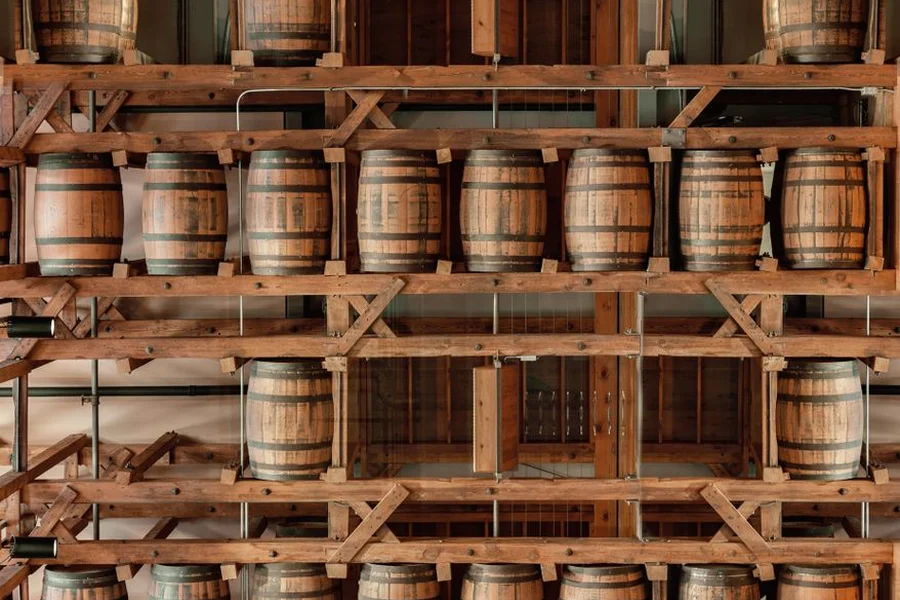
The solera method originated in Spain for aging sherry and brandy, relying on a tiered barrel system where new liquid is gradually married with older reserves over many years. Freddie Noe adapted this concept for American whiskey by setting aside a significant portion of Edition 1 to serve as the mother blend for Edition 2.
When Edition 2 is assembled, distillers combine the preserved Edition 1 base with newly selected mature barrels. This technique prevents the whiskey from ever running out of its oldest ancestral components.
This approach requires careful cellar management and climate control. Bourbon continues interacting with charred white oak barrels throughout its lifespan, meaning blending teams must monitor wood tannins closely to prevent the liquid from becoming overly astringent.
lead blenders at the Fred B. Noe distillery taste sample barrels monthly to ensure the balance of sweet vanilla, leather, and oak remains harmonious before final marrying occurs in stainless steel vats.
Edition 1 vs Edition 2: Evolving Recipes Across Generations
Edition 1 debuted in 2024 at a potent 119.3 proof (59.65 percent alcohol by volume) with a retail price of two hundred dollars. It combined four distinct Kentucky straight bourbons ranging from 7 to 20 years of age, creating a dense, rich flavor profile heavy with dark caramel and aged oak.
Edition 2 arrived in 2025 at 120.8 proof (60.4 percent alcohol by volume), incorporating approximately thirty percent of the original Edition 1 blend along with new 22-year-old Booker barrels, 10-year-old Fred barrels, and 7-year-old extended-fermentation bourbon from Freddie.
The introduction of extended-fermentation barrels in Edition 2 added brighter stone fruit and floral honey notes to balance the heavy oak presence of the 22-year-old component.
Tasting both editions side by side reveals how the living blend grows richer while retaining its core family signature of roasted peanuts, molasses, and toasted wood.
Breaking Down the Mashbills and Barrel Ages in Edition 1
Edition 1 features four separate bourbon components distilled across three generations, ranging from 7-year-old modern stocks to rare 20-year-old hyper-aged barrels. Each component contributes a specific layer of flavor and aroma to the final marriage.
By blending whiskeys across different age brackets, Freddie Noe captured the bright sweetness of younger grains alongside the rich, leathery complexity of two-decade-old oak.
Here is how the four family components break down inside the Edition 1 bottle.
Booker Noe’s 20-Year Legacy Component
The oldest and rarest element in the blend is a 20-year-old Kentucky Straight Bourbon laid down during Booker Noe final years as lead distillers. Barrels that survive twenty Kentucky summers are extremely rare, as high heat and evaporation (the angel share) often over-oak the liquid or drain the cask completely.
This 20-year component provides the rich mahogany color, aromatic pipe tobacco notes, polished antique furniture aromas, and rich dark chocolate undertones that anchor the entire blend.
According to sensory evaluations from the Kentucky Distillers Association, hyper-aged bourbons require careful dilution and blending to keep wood tannins smooth. Booker component provides structural depth without overpowering the younger barrels.
For those who love discovering regional culinary and dining traditions while traveling, examine our recommendations for nice restaurants in kauai.
Fred and Freddie Noe’s Modern Bourbon Contributions
Fred Noe contributed a 14-year-old Kentucky Straight Bourbon that represents the classic Beam profile at its peak maturity. This component delivers intense vanilla bean, sweet brown sugar, toasted pecan, and warm baking spices.
Freddie Noe added a vibrant 7-year-old bourbon crafted using his custom distillation parameters, bringing fresh orchard fruits, kettle corn sweetness, and lively citrus peel to brighten the nose.
The fourth component is an 8-year-old shared family bourbon that bridges the gap between the youthful grain character and the heavy oak of the older barrels.
Together, these four components harmonize into a balanced cask-strength spirit that showcases the unique distillation style of each family member.
Tasting Profile and Sensory Tasting Notes
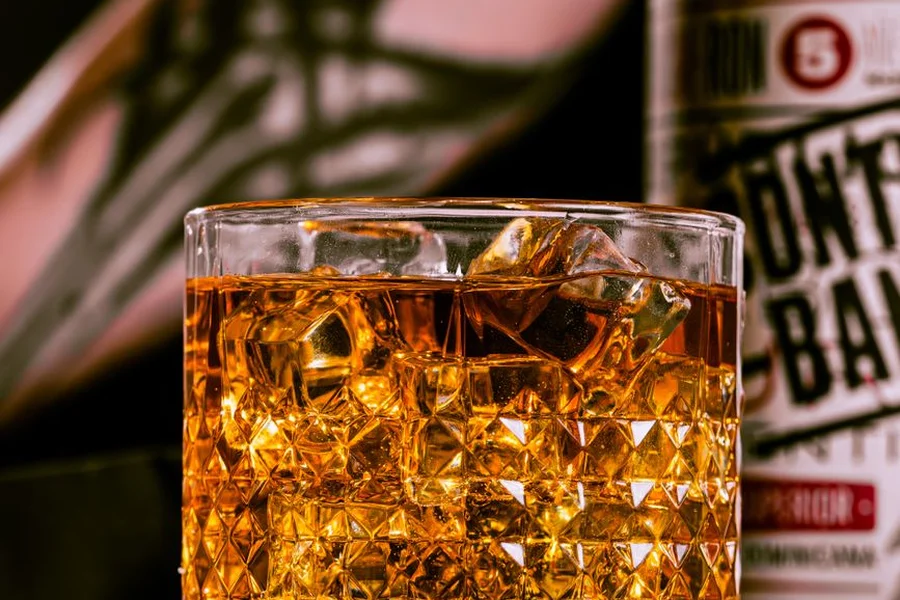
Little Book The Infinite delivers an intense, full-bodied sensory experience characterized by dark caramel, roasted nuts, dried cherry, and lingering barrel char. Its high proof provides tremendous weight on the palate without burning the tongue.
Pouring the whiskey into a traditional Glencairn glass allows the aromas to concentrate while giving the alcohol vapors room to soften over several minutes.
Let us walk through the complete aroma, palate, and finish notes of this premium release.
Aroma: Charred Oak, Caramel, and Dried Fruits
On the nose, the whiskey opens with rich aromas of warm molasses, dark toffee, and toasted marshmallow. As the spirit breathes, subtle layers of pipe tobacco, seasoned leather, and dark chocolate emerge from the 20-year barrel component.
Swirling the glass reveals fruit notes of dried black cherries, stewed plums, and orange marmalade. Beneath the sweetness lies the unmistakable Beam signature of roasted peanuts and freshly baked cornbread.
The high alcohol proof is remarkably well integrated, delivering warmth rather than sharp ethanol prickle.
Adding two drops of spring water unlocks additional notes of cinnamon stick, nutmeg, and vanilla custard.
Palate and Finish: Heavy Spices and Cask-Strength Warmth
On the first sip, the mouthfeel is dense, oily, and coating. Sweet flavors of salted caramel and butterscotch greet the front of the tongue before giving way to bold rye spices, cracked black pepper, and clove.
Mid-palate brings rich flavors of charred oak, dark roasted coffee, and dried figs. The interaction between the sweet corn mash and the heavy wood char creates a satisfying interaction of sweet and savory tones.
The finish is exceptionally long and warming, leaving pleasant lingering notes of dark cocoa, toasted oak, leather, and mint. The warmth stays in the chest for several minutes after swallowing.
If you enjoy reading travel and lifestyle commentary from passionate creators, take a look at our overview of on the rocks florida dad blogger lifestyle travel.
Collector Value, Pricing, and Best Serving Practices
Little Book The Infinite carries a manufacturer suggested retail price of $199.99, though secondary market demand often pushes retail store prices higher due to limited nationwide allocation. Proper storage and serving methods ensure you get maximum enjoyment from every pour.
Because of its limited production and high-profile family backstory, bottles are heavily sought after by bourbon enthusiasts and collectors alike.
Here are helpful considerations regarding pricing, bottle storage, and serving suggestions.
MSRP vs Secondary Market Pricing Realities
While the official retail price is set at two hundred dollars, many independent liquor stores place marked-up price tags ranging from $250 to $350 on their shelves. Online auction platforms and secondary trading groups occasionally see bottles trading near four hundred dollars during release weeks.
A sensible recommendation for buyers is to check large regional beverage retailers first, as corporate chains are more likely to sell allocated bottles at strict retail pricing rather than adding secondary markups.
If you plan to hold bottles for long-term collection, store them upright in a cool, dark cabinet away from direct sunlight. Storing whiskey on its side can cause the high-proof alcohol to degrade the natural cork stopper over time.
Never store premium whiskey in uninsulated attics or hot garages, as temperature swings cause the liquid to expand and push past the cork seal.
How to Serve and Open Cask-Strength Whiskey
Because Little Book The Infinite is bottled uncut and unfiltered near 120 proof, pouring it correctly makes a dramatic difference in flavor expression.
We recommend pouring a one-ounce sample neat into a clean glass and allowing it to rest for ten to fifteen minutes before taking your first sip. This resting period allows volatile alcohol compounds to disperse, revealing delicate fruit and spice notes.
Take small, slow sips to acclimate your palate to the high alcohol content. If the heat feels too intense, add three to four drops of room-temperature distilled water using a small dropper.
The water breaks surface tension and lowers the alcohol concentration slightly, opening up rich flavors of vanilla cream and toasted nuts without thinning out the rich body.
Frequently Asked Questions
What is Little Book The Infinite?
Little Book The Infinite is an ongoing, living bourbon series from the James B. Beam Distilling Co. created by lead distillers Freddie Noe. It blends rare barrels crafted by three generations of Noe family distillers into a solera-style evolving release.
Who distills Little Book The Infinite whiskey?
The whiskey is blended and curated by eighth-generation lead distillers Freddie Noe at the Fred B. Noe Craft Distillery in Clermont, Kentucky, using stocks distilled by himself, his father Fred Noe, and his grandfather Booker Noe.
How many barrels are in Little Book The Infinite Edition 1?
Edition 1 is a marriage of four Kentucky Straight Bourbons: a 20-year-old bourbon from Booker Noe, a 14-year-old bourbon from Fred Noe, a 7-year-old bourbon from Freddie Noe, and an 8-year-old shared family component.
What proof is Little Book The Infinite bottled at?
Edition 1 is bottled at 119.3 proof (59.65 percent alcohol by volume), while Edition 2 is bottled at 120.8 proof (60.4 percent alcohol by volume). Both editions are uncut and non-chill filtered.
What is the retail price of Little Book The Infinite?
The manufacturer suggested retail price (MSRP) for Little Book The Infinite is $199.99 for a 750ml bottle, though secondary market prices and boutique liquor store markups can be higher depending on regional availability.
How does The Infinite differ from annual Little Book Chapters?
Annual Little Book Chapters are single-batch experimental whiskeys that change completely every year. The Infinite is an ongoing solera-inspired project where roughly 30 percent of the previous edition is preserved to form the base of the next release.
Can you drink Little Book The Infinite with water or ice?
Yes, while tasting it neat first is recommended, adding a few drops of water or a single large ice cube helps soften the 120-proof heat and unlocks richer layers of vanilla, caramel, and baking spices.

Written by Rosella
Rosella is a self-taught digital creator with a passion for breaking down tech, lifestyle, and everyday topics into simple, easy-to-understand content. Based in Youngstown, Ohio, she brings a curious, multi-disciplinary approach to writing, covering everything from the latest tech trends to practical life hacks and personal growth insights.
Her goal is straightforward: take complicated ideas and explain them in a way that actually makes sense, so every reader, whether a total beginner or someone more experienced, walks away having learned something useful. When she’s not writing, you’ll usually find her exploring new tools, sharpening her skills, or spending time with family.
Through this blog, Rosella aims to build a community centered on real, actionable insights rather than fluff, jargon, or filler content.
