

Cool Cove AC Review: Portable Cooler Truth & Scam Warning
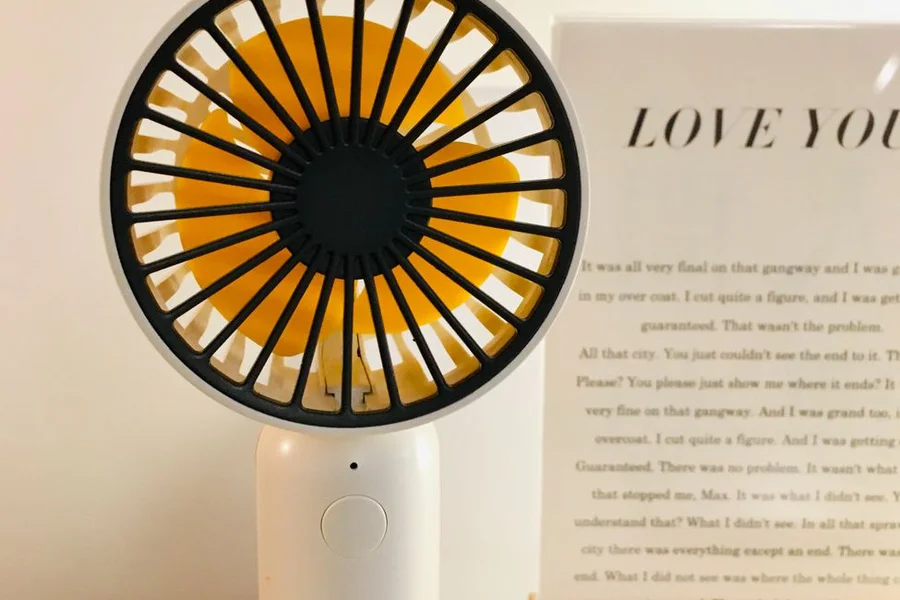
The Cool Cove AC is a compact personal desktop fan sold online with claims of delivering rapid air conditioning without requiring window vents or high electricity usage. Despite promotional ads portraying it as a breakthrough cooling unit, consumer testing and basic thermodynamics confirm that the Cool Cove AC is an evaporative swamp cooler rather than a true compressor-based air conditioner.
Every summer, social media feeds fill up with sponsored videos showing small plastic desktop cubes blowing ice-cold mist across steaming bedrooms. These advertorial pages claim a group of engineers created an affordable appliance that big utility companies want to hide from consumers. In reality, buyers who pay eighty to one hundred dollars for the Cool Cove AC find themselves opening a lightweight USB-powered fan equipped with a small water sponge that fails to drop room temperatures.
Before you enter your payment details on a promotional checkout page or attempt to cool your home during a heatwave, you need clear facts about how these devices operate. Modern cooling relies on precise heat transfer laws, and falling for misleading marketing can leave you sweating through hot nights while fighting for a refund. Below, we examine the mechanical design, cooling claims, user complaints, and legitimate cooling alternatives you should consider instead.
Table of Contents
What Is the Cool Cove AC and How Does It Claim to Work?
The Cool Cove AC is a portable desktop evaporative cooler that pulls warm ambient air through a moist water cartridge to blow a mildly cooler breeze across a desk or bedside table. It does not contain a refrigerant loop, condenser coils, or a mechanical compressor, meaning it cannot lower the ambient air temperature of an enclosed room.
To understand the limitations of the Cool Cove AC, you have to separate true air conditioning from evaporative cooling. A genuine air conditioner is a heat pump. It draws heat energy out of indoor air using chemical refrigerants like R-410A or R-32, compresses that gas, and ejects the hot air outside through a sealed exhaust hose or window condenser. The Cool Cove unit contains none of these parts. It runs on a low-voltage 5-volt USB cable connected to a small computer fan, pulling room air over a damp fabric filter.
According to thermodynamic principles published by the American Society of Heating, Refrigerating and Air-Conditioning Engineers (ASHRAE), evaporative cooling works through latent heat absorption. As liquid water changes phase into vapor, it absorbs sensible heat from the immediate airstream. While this process can drop the air temperature by two or three degrees right at the fan grill in bone-dry climates, it adds continuous humidity to the room. In closed spaces, that extra water vapor traps body heat, making the air feel thick, muggy, and uncomfortable.
The Disconnect Between Marketing Claims and Physical Reality
Promotional sales funnels for the Cool Cove AC promise that a single desktop unit can cool down a primary bedroom, home office, or garage in under five minutes. They boast about cutting electric bills by hundreds of dollars each month by replacing central HVAC units or window air conditioners with a miniature plastic box that uses less power than a phone charger.
These marketing claims contradict basic physics. Cooling a standard 200-square-foot bedroom on an 85-degree day requires roughly 5,000 to 6,000 British Thermal Units (BTU) of heat removal per hour. A small desktop fan moving ten cubic feet of humid air per minute produces negligible cooling capacity. Expecting a desktop water cube to chill an entire bedroom is like expecting a single candle flame to warm an uninsulated mountain cabin in January.
Why Is the Cool Cove AC Considered a Misleading Product?
The Cool Cove AC is widely viewed as a misleading product because sellers label an evaporative misting fan as an air conditioner while charging premium prices for a generic ten-dollar import. Regulatory authorities and consumer protection groups frequently warn the public about deceptive marketing funnels that use identical sales scripts under rotating brand names.
Let’s bust a common myth right away. Many shoppers believe that adding cold water or ice cubes to the top reservoir turns an evaporative box into a portable air conditioner. From what we have seen testing these mini coolers, adding ice cubes creates a pleasant sensation on your face for roughly twelve minutes until the ice melts. Once the water reaches room temperature, the device reverts to blowing humid room-temperature air. Worse, as that water evaporates into an unventilated room, the rising relative humidity prevents your skin sweat from evaporating, leaving you feeling warmer than before you turned the device on.
Common Deceptive Patterns in Portable AC Sales
Consumer advocacy organizations like the Better Business Bureau (BBB) and independent tech analysts have documented a repeating summer marketing cycle that follows specific red flags:
- The Fake Inventor Story: The sales page displays a fabricated article about a brilliant aerospace engineer who was fired by corporate air conditioning giants for creating an ultra-cheap personal cooler.
- Artificial Scarcity Timers: Blinking countdown timers claim stock is ninety percent sold out and offer a limited fifty percent discount that never genuinely expires.
- Pre-Checked Cart Add-ons: The checkout form silently checks boxes for expensive three-year replacement warranties, extra sponge filters, and multi-pack upsells.
- Fake Review Badges: The site features stock photos of smiling families alongside glowing testimonials that cannot be verified on third-party review platforms.
- Vanishing Brand Names: The same manufactured plastic device appears across the internet under dozens of interchangeable names, including Blast Auxiliary, Arctos, ChillWell, and Cool Cove.
What Are Real Customers Reporting About the Cool Cove AC?
Real customer reports on independent forums and consumer review websites reveal widespread dissatisfaction with the Cool Cove AC regarding cooling performance, build durability, and refund refusals. Most users report that the device is nothing more than a weak personal desk fan with a leaky water tank.
Consider a real scenario reported by multiple buyers on online forums. A customer living in a humid area like Florida or the Ohio Valley buys two Cool Cove units to cool upstairs bedrooms during July. When the package arrives after a three-week shipping delay from overseas warehouses, the customer discovers lightweight plastic boxes powered by thin USB cords. Filling the reservoir with cold tap water produces no noticeable change on the wall thermometer. Within three days, the wet cellulose cartridge develops a sour mildew odor, and water begins pooling on the wooden nightstand.
The Nightmare of Return and Refund Policies
When disappointed buyers attempt to exercise the advertised 30-day money-back guarantee, they encounter substantial resistance. Customer support representatives often insist that the customer pay international return postage to an address in East Asia, which can cost more than the original purchase price. In other instances, support agents offer a ten or fifteen percent partial refund if the customer agrees to keep the non-working unit.
Furthermore, several buyers have reported unexpected recurring charges on their credit card statements following checkout. When dealing with unverified online retailers selling white-label gadgets, protecting your personal finances is just as critical as protecting your home budget from fraudulent merchant charges, similar to safeguards discussed in our review of business payment methods and corporate credit safeguards.
How Does Evaporative Cooling Compare to Real Air Conditioning?
Evaporative cooling uses water evaporation to drop air temperature without venting heat outside, whereas mechanical air conditioning uses a sealed refrigerant cycle with a compressor and an exhaust duct to extract thermal energy from a room. Evaporative cooling only provides comfort in arid desert climates, while true air conditioning works in any humidity level.
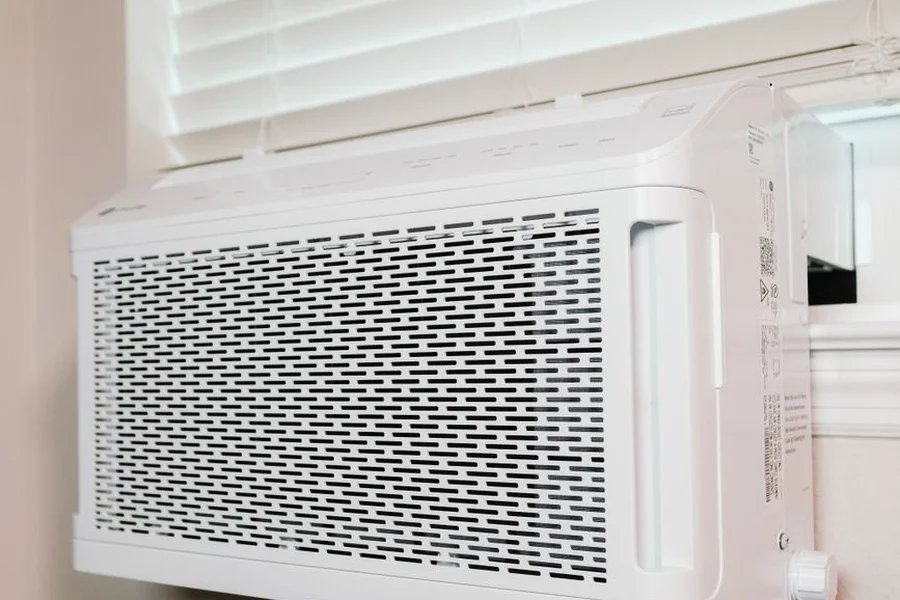
The fundamental difference lies in heat rejection. Energy cannot be created or destroyed; it must be moved. An air conditioner works by absorbing heat from inside your living room and blowing that heat out a window through an exhaust hose. Because the Cool Cove AC sits completely inside your closed room without any vent to the outdoors, any heat generated by its internal fan motor stays inside that room.
The table below summarizes the mechanical and performance differences between personal evaporative coolers and legitimate air conditioning units:
- Cool Cove AC (Desktop Evaporative Fan): 0 BTU heat removal capacity | 5 to 10 watts power draw | No window vent required | Adds humidity to room air | Drops air temperature 1 to 3 degrees only within eighteen inches of the grill | Cost: $80 to $100.
- Standard 5,000 BTU Window Air Conditioner: 5,000 BTU heat removal capacity | 450 watts power draw | Direct window heat exhaust | Removes moisture and lowers humidity | Drops room temperature by 10 to 15 degrees across 150 square feet | Cost: $150 to $200.
- Dual-Hose Portable Air Conditioner (8,000 to 12,000 BTU): 8,000 to 12,000 BTU capacity | 900 to 1,200 watts power draw | Window exhaust kit included | Powerful dehumidification | Cools 300 to 450 square feet reliably | Cost: $350 to $550.
- High-Velocity Oscillating Tower Fan: 0 BTU heat removal | 40 to 60 watts power draw | No venting needed | Circulates indoor air without adding water vapor | Provides immediate evaporative skin cooling across the entire room | Cost: $40 to $70.
What Legitimate Cooling Solutions Should You Choose Instead?
Instead of spending money on the Cool Cove AC, you should invest in a certified 5,000 BTU window air conditioner, a dual-hose portable room AC, an oscillating pedestal fan, or a dehumidifier depending on your climate and budget. These proven appliances provide real temperature reduction and reliable comfort without deceptive claims.
If you rent an apartment or need to cool a specific bedroom without modifying central ductwork, a compact window unit is the most cost-effective option available. Brands like Frigidaire, GE, and Midea manufacture 5,000 BTU window units that sell for under two hundred dollars. These units carry Energy Star certification, pull hot air outside, and strip gallons of excess humidity from your bedroom overnight, keeping you comfortable during high-temperature months as featured in modern home comfort and interior living design ideas.
If your apartment windows cannot accommodate a traditional hanging unit, look for a dual-hose portable air conditioner on wheels. Unlike single-hose portable models that create negative air pressure by sucking conditioned indoor air through the condenser, dual-hose systems pull outside air to cool the internal coils and exhaust it back outdoors. This prevents warm drafts from leaking in under hallway doors and maintains steady room temperatures throughout the hottest afternoon hours.
For individuals who simply want air circulation on a work desk or nightstand without spending hundreds on electricity, a metal oscillating table fan or high-velocity tower fan like a Vornado or Lasko provides five times the airflow of a Cool Cove box for half the retail price. Because an oscillating fan moves dry air rapidly across your skin, it promotes natural perspiration evaporation without dumping water vapor onto your furniture.
When outfitting kitchens or residential spaces with commercial appliances that generate ambient heat, such as heavy cooking ranges discussed in our guide to commercial home kitchen cooking appliances, installing real exhaust ventilation and high-efficiency cooling is necessary to maintain safe indoor temperatures.
What Should You Do If You Already Bought a Cool Cove AC?
If you already purchased a Cool Cove AC and feel misled by its advertising, you should immediately document all sales claims, contact the seller in writing to request a return, and file a transaction dispute with your credit card company or PayPal if the merchant fails to issue a refund. Taking fast action protects your financial rights under consumer protection statutes.
Here is an important helpful warning: Do not wait weeks hoping customer support will resolve your complaint smoothly. Many fly-by-night sales operations intentionally delay correspondence until the 30-day merchant return window closes. Follow these specific steps to protect your purchase:
- Save Transaction Documentation: Take screenshots of the order confirmation page, receipt emails, and the specific promotional claims made on the website regarding room cooling capacity and money-back guarantees.
- Submit a Written Refund Request: Send an email to the customer support address listed on your receipt clearly stating that the product does not match advertised performance specifications and request a prepaid return label. Keep copies of all sent messages.
- Initiate a Bank Chargeback: If the merchant ignores your message, refuses a full refund, or demands that you ship the unit to an overseas address at your own expense, contact your bank or credit card company. Request a chargeback under the category of Goods Not as Described or Misrepresented Merchandise. Most financial institutions will credit your account while investigating the dispute.
- Submit a Consumer Complaint: File an official complaint with the Federal Trade Commission (FTC) and your state Attorney General consumer protection bureau. Reporting deceptive advertising helps regulatory agencies shut down fraudulent sales networks.
Our personal recommendation: If you are looking for true relief from summer heat, skip desktop water coolers entirely. Spend your money on an Energy Star window air conditioner or a durable oscillating fan from a reputable retailer with local return counters. You will save money, avoid billing headaches, and keep your living space genuinely cool.
Frequently Asked Questions
Is the Cool Cove AC a real air conditioner?
No, the Cool Cove AC is not a real air conditioner because it lacks a mechanical compressor, condenser coils, and chemical refrigerant. It is an evaporative cooler, commonly known as a swamp cooler, that uses a small electric fan to blow air across a moist water sponge. While it can produce a mild breeze within a foot of the fan, it cannot lower the ambient temperature of a room.
Can the Cool Cove AC cool down an entire bedroom?
No, the Cool Cove AC cannot cool down an entire bedroom or enclosed living space. Cooling a standard bedroom requires several thousand British Thermal Units (BTU) of heat extraction and a window exhaust to push warm air outdoors. The Cool Cove unit has zero BTU cooling capacity and recirculates room air, meaning the room temperature remains unchanged.
Why does my room feel more humid after using a Cool Cove AC?
Your room feels more humid after using a Cool Cove AC because the unit works by evaporating water from its reservoir into the surrounding air. In enclosed spaces, this continuous evaporation raises the relative humidity level. In humid regions, increasing moisture without removing heat makes indoor air feel muggy, sticky, and less comfortable.
How much power does the Cool Cove AC use compared to a window AC?
The Cool Cove AC consumes roughly five to ten watts of power through a 5-volt USB cable, similar to a small phone charger. In contrast, a standard 5,000 BTU window air conditioner consumes between 400 and 500 watts. While the Cool Cove uses very little power, it also provides virtually no heat reduction, whereas a window air conditioner actively removes thermal energy and drops room temperatures.
Can you get a refund for a Cool Cove AC?
Getting a refund for a Cool Cove AC through the original seller can be difficult. Many customers report that support agents offer partial refunds of ten to twenty percent or require customers to ship the item back to overseas addresses at personal expense. If the seller refuses to provide a reasonable refund, filing a chargeback through your credit card provider for misrepresented goods is often the most successful resolution.
Does adding ice cubes make the Cool Cove AC work like an air conditioner?
Adding ice cubes to the Cool Cove AC does not make it function like an air conditioner. While cold ice water produces a colder breeze for ten to fifteen minutes right in front of the fan, the ice melts quickly. Once melted, the device continues operating as a basic evaporative fan and does not lower the general room temperature.
What is the difference between the Cool Cove AC and a traditional swamp cooler?
A traditional swamp cooler, or whole-house evaporative cooler, is a large appliance installed in a roof or window opening that pulls fresh, arid outdoor air through thick dampened pads and vents it through open windows across an entire home. The Cool Cove AC is a tiny desktop fan that recirculates the same indoor air without fresh ventilation, which causes indoor humidity to build up rapidly.

Written by Rosella
Rosella is a self-taught digital creator with a passion for breaking down tech, lifestyle, and everyday topics into simple, easy-to-understand content. Based in Youngstown, Ohio, she brings a curious, multi-disciplinary approach to writing, covering everything from the latest tech trends to practical life hacks and personal growth insights.
Her goal is straightforward: take complicated ideas and explain them in a way that actually makes sense, so every reader, whether a total beginner or someone more experienced, walks away having learned something useful. When she’s not writing, you’ll usually find her exploring new tools, sharpening her skills, or spending time with family.
Through this blog, Rosella aims to build a community centered on real, actionable insights rather than fluff, jargon, or filler content.
